
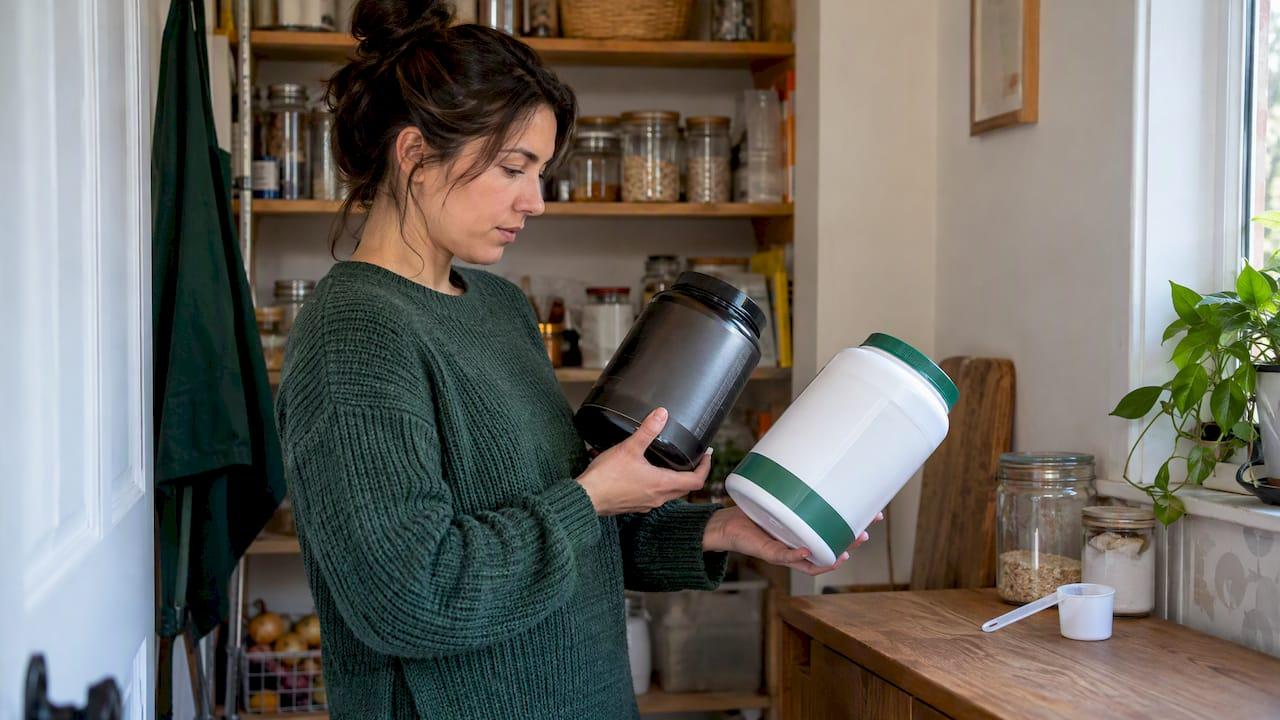
Protein price per serving is the package price divided by the servings per container on the label. Compare products using the label’s protein grams per serving, and treat any price benchmarks as rough guides to verify against current listings. Use the protein grams in the FDA-required Supplement Facts panel, not scoop weight. We built OutletPicks around this same unit-price logic.
TL;DR:
- Calculate price per gram by dividing total cost by servings per container times protein grams per serving; use this when scoop sizes differ.
- Use protein grams from the Supplement Facts panel, not scoop weight, because powder weight includes ingredients such as fats, carbohydrates, flavorings, and thickeners.
- Set your powder target after counting food protein: NIH guidance gives athletes a daily range of 1.2 to 2.0 grams per kilogram of body weight.
- Include shipping and taxes, subtract discounts, and divide the resulting amount by servings; bulk discounts help only when you will finish tubs before they expire.
- Treat amino acid profiles and digestibility as tiebreakers between similarly priced powders, and avoid paying a large premium for absorption claims without label evidence.
Table of Contents
- Why price per serving beats the sticker price
- How do you calculate price per serving and price per gram?
- Which label fields should you copy?
- What do typical price ranges look like per serving and per gram?
- How do you pick the most cost-effective protein powder?
- How do protein types affect serving size and value?
- Which additives and blends change cost-effectiveness?
- How should you weigh bioavailability against price?
- How do shipping and discounts change the price per serving?
- Why we focus on unit price
- Compare protein value faster with our unit-price tools
- FAQ
- Sources
Why price per serving beats the sticker price
Two tubs with different package prices tell you little until you know what is inside. Price per serving turns both into a cost for one standard dose, and price per gram of protein goes a step further by removing differences in scoop size. Use price per serving for a fast check when two products list similar protein per scoop. Switch to price per gram when serving sizes differ, because the cheaper serving may simply contain less protein.
Use price per serving as a rough guide, taking the protein grams on the label into account. A low price is not necessarily good value if the serving contains little protein. Confirm each listing with the label math below.
A cheap serving is not automatically good value. NIH guidance puts athlete protein needs at 1.2–2.0 g/kg/day, which means grams delivered matter more than scoops delivered. Powder is a convenient way to reach a target, not a requirement.
How do you calculate price per serving and price per gram?
You need four numbers from the package: the price you pay, the servings per container, the protein grams per serving, and the net quantity as a cross-check. Follow this order:
- Copy the package price, servings per container, and protein grams per serving from the label and the Supplement Facts panel.
- Divide the package price by servings per container to get price per serving.
- Multiply servings by protein grams per serving, then divide the package price by that total to get price per gram of protein.
For an illustrative tub, divide the package price by the servings per container to find price per serving. Multiply servings by protein grams per serving to find total protein, then divide the package price by that total to find price per gram. Multiply the price per gram by 100 to find the price per 100 g of protein.
If a label lists scoops but not grams, convert before you divide. Our guide to the price per serving formula walks through the inputs, and the four-step unit price method skips the spreadsheet entirely.
Which label fields should you copy?
FDA labeling guidance treats serving size, servings per container, net quantity, and nutrient amounts as separate label fields. Transcribe these before you calculate anything:
- Net quantity of contents: the total amount in the container, the cross-check for your servings math
- Serving size: what the label defines as one serving, often one scoop
- Servings per container: the divisor for price per serving
- Protein grams per serving: from the Supplement Facts panel, the number that drives price per gram
Scoop weight is the classic trap. A scoop can contain less protein than its total powder weight, with the remainder made up of fats, carbohydrates, flavoring, and other ingredients. If you divide by powder weight, every product looks like it has more protein than it does, and the error is not the same across brands.
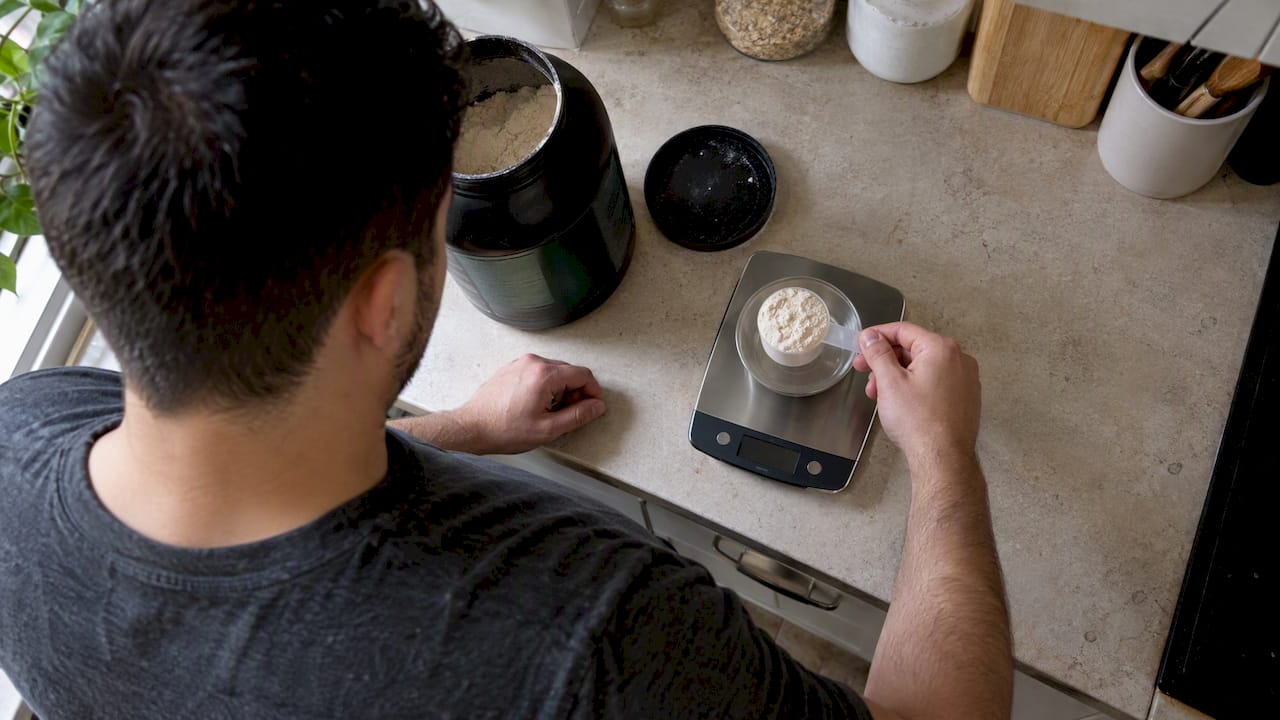
Pro Tip: If a label gives only scoops, weigh one level scoop on a kitchen scale, then use the protein grams printed for that serving rather than the scoop weight.
What do typical price ranges look like per serving and per gram?
Converting between formats lets you compare a listing that shows per-serving cost with one that shows only a tub price. Divide the per-serving cost by the protein grams per serving to calculate price per gram of protein.
Protein type shifts where a product lands. Concentrates carry less protein per scoop and cost less, isolates are more refined and usually cost more, and plant blends vary widely with the ingredients used. Buyer roundups such as Forbes' protein powder guide publish example prices you can use as market reference points, but always verify them with label math, since roundups do not all calculate per-serving cost the same way.
How do you pick the most cost-effective protein powder?
Start with your own target. At the NIH range of 1.2–2.0 g/kg/day, the NIH example puts 2.0 g/kg/day at 136 g for a 150 lb person. That is your total protein from food and powder together, so decide how many grams you actually want from powder, then divide by protein per serving to get servings per day. Then run through this checklist:
- Price per gram of protein: rank products by this number first, since it levels out scoop size.
- Protein grams per serving: a higher number means fewer scoops per day for the same target.
- Type and suitability: whey, casein, and plant powders suit different diets, digestion, and goals, so a cheap fit you cannot use is no value.
- Container size: larger tubs usually cost less per gram, but only if you finish them before the powder goes stale or you tire of the flavor.
Buy bulk when you have used the flavor before and will go through the tub in a reasonable time. Stick with a single container when you are trying something new. Our breakdown of when bulk beats single packs shows how to test that trade-off with your own numbers.
How do protein types affect serving size and value?
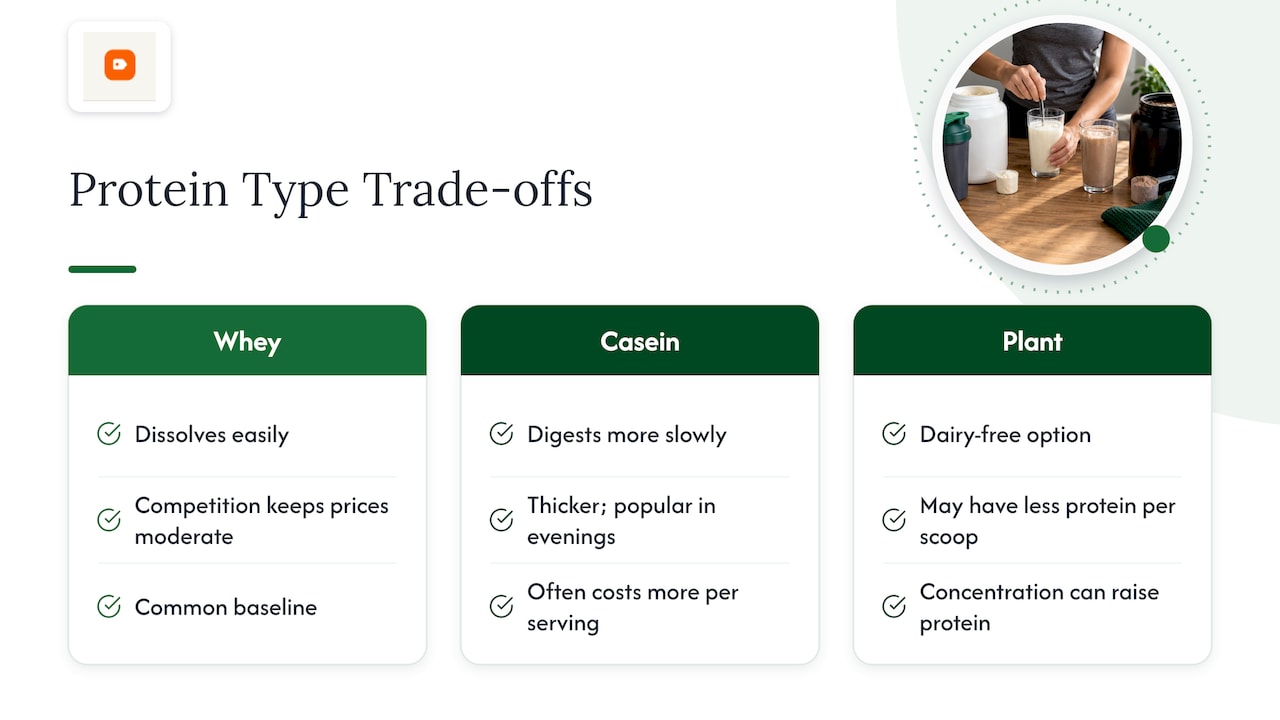
Whey, casein, and plant proteins differ in how much protein fits in a scoop, how they mix, and what they cost to make; learn more about shaker bottle choices in our guide to stainless steel vs plastic shaker bottles. Whey is the common baseline: it dissolves easily and is widely available, so competition keeps prices moderate. Casein digests more slowly and tends to be thicker, so some people like it in the evening, though it often costs a little more per serving. Plant powders, such as pea or rice blends, serve people who avoid dairy, and their protein per scoop can run lower unless the maker concentrates it.
The key rule for value is to compare on protein grams, not scoops. A plant powder and a whey product can be closer in cost per gram than their per-serving prices suggest. Compare the label’s protein grams and the price for each serving. If a product needs more scoops to match the protein of another product’s serving, account for that difference before comparing prices.
Serving size also changes how fast you finish a tub. A tub’s serving count and the number of servings you use each day determine how long it lasts. A lower-protein powder may require more servings to reach the same intake, using up the tub faster. Check that your daily scoop count matches the label's serving size before you trust any per-serving figure.
Which additives and blends change cost-effectiveness?
The label's protein grams already tell you the useful part, but what fills the rest of the serving affects value. Flavorings, sweeteners, thickeners, and added vitamins raise the serving weight without adding protein. That is fine if you like the taste, but it means a larger scoop does not equal more protein. Look at the ratio of protein grams to serving size: a scoop with 24 g protein in a 30 g serving is denser than 24 g in a 40 g serving.
Blends deserve a close read of the ingredient list. Many powders combine several protein sources, and ingredients appear in descending order by weight. A blend that leads with a cheaper protein and adds a small amount of a pricier one can look premium on the front label while the protein per dollar stays modest. Extras such as digestive enzymes, creatine, or greens may justify a higher price if you would buy them separately, but count them only if you actually want them.
Added sugar and fillers can also distort a cheap price. If a low-cost tub reaches its protein figure only with a small serving of dense powder plus a heavy dose of non-protein ingredients, your cost per gram of useful protein may not be as low as the headline suggests. Always return to the same math: package price divided by total protein grams in the container.
How should you weigh bioavailability against price?
Bioavailability describes how well your body can use the protein you eat. In practice, readers see it discussed as digestibility and amino acid content, and it can nudge the value of one powder above another even when the per-gram prices match. If two products cost the same per gram of label protein, the one you digest and tolerate better delivers more for the money.
Here is a sensible approach. First, rank products by price per gram of label protein. Second, set aside any that do not suit your diet or that cause stomach trouble, because a powder you skip is wasted money. Third, among the finalists, give a modest edge to the product with a more complete amino acid profile or one you digest comfortably, rather than paying a large premium on a quality claim you cannot verify.
Be cautious with marketing language. Terms about absorption rarely come with a number on the label, so you cannot put them into the formula. The FDA-required fields you can verify are grams of protein, servings, and net quantity. Treat quality claims as a tiebreaker between close prices, not a reason to pay twice as much per gram. For most shoppers, a well-tolerated powder at a fair price per gram beats an expensive one with vague promises.
How do shipping and discounts change the price per serving?
The shelf price is not always your price. To get a true cost, use the total you actually pay: item price, plus shipping and tax if any, minus any discount or coupon. Then divide that total by servings per container, and use the same total for price per gram.
For example, add shipping to the item price and subtract any discount to find your landed cost. Divide that total by the servings, not the sticker price. Compare that to a store pickup option with no shipping, and the second product can win even at a higher sticker price. Free-shipping thresholds work the other way: if you already planned to buy other items, the shipping cost for the protein drops to zero, and the per-serving math improves.
Watch for discounts that reward quantity. A discount for buying multiple tubs lowers your cost per serving only if you will use them before they expire and have a place to store them. Retail listings, including those on Walmart and Vitamin Shoppe, often show their own per-serving figures. Those are a starting point, not a final answer, since sellers do not all calculate the figure the same way. Recompute it from the label and your total cost before you compare.
Why we focus on unit price
I think package price is the least useful number on a shelf, and that is why we calculate real cost per unit and recheck retailer prices on a rolling cycle. Our calculators do the manual division for you, so you can compare products by what they actually deliver.
— Alex
Compare protein value faster with our unit-price tools
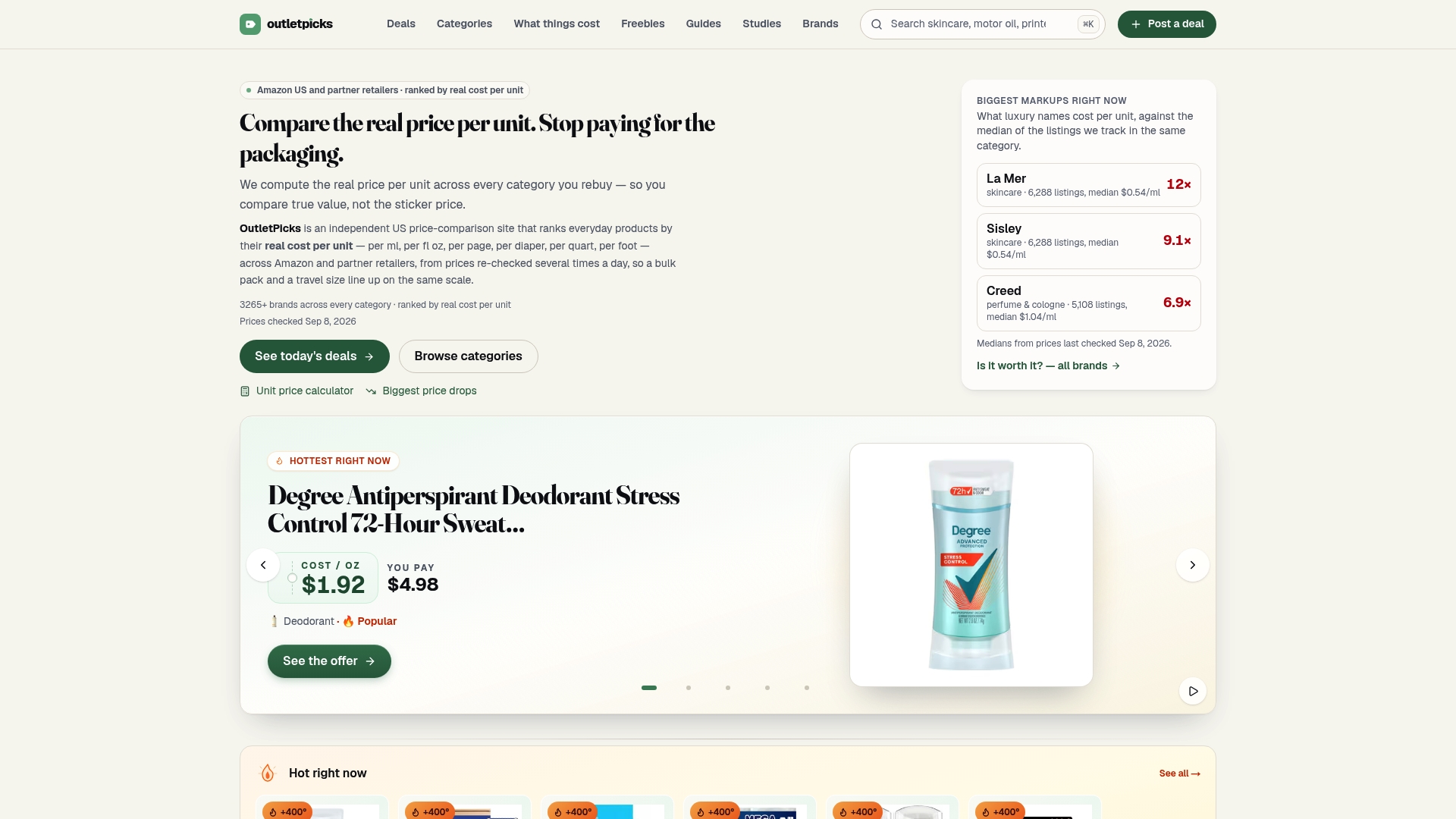
We rank products by real cost per unit across Amazon and partner retailers, so pack size and brand stop clouding the comparison. Browse our brand index, or explore our category pages for fast side-by-side comparisons. Start there when you want per-unit answers without the spreadsheet.
FAQ
How much is one serving of protein?
A serving is whatever the product label defines, usually one scoop. The protein grams in a serving vary by product, so check the Supplement Facts panel rather than assuming a standard amount. For a typical powder serving, the label sets the number.
What is the average price of protein powder?
Averages shift with protein type, container size, and retailer, so no single number fits every shopper. As a working guide, compare the per-serving price with the amount of protein the label shows, and verify any price benchmark against current listings. Verify any average against the label math for the product in front of you.
How much should one gram of protein cost?
To find the cost of a gram of protein, divide the per-serving price by the protein grams per serving. The result varies with the product and its price. Lower is cheaper, but only if the serving actually delivers the protein grams the label claims. Always calculate from your total cost.
How do I find the cost of one gram of protein?
Divide the package price by the total protein in the container, which is servings multiplied by protein grams per serving. For example, divide the package price by the total protein in the container to calculate the cost per gram. Use the protein grams from the Supplement Facts, as FDA labeling guidance separates that field from scoop weight.
Sources
- Dietary Supplements for Exercise and Athletic Performance - Health Professional Fact Sheet
- Dietary Supplement Labeling Guide: Chapter IV. Nutrition Labeling | FDA
- Best Protein Powders Of 2026